Budgeting Often Fails Because It Feels Too Complicated
Many people stop budgeting for one simple reason.
The process becomes exhausting.
Tracking every coffee purchase, every tiny expense, every daily transaction eventually feels overwhelming for beginners trying to manage money consistently.
That is why the 50/30/20 budgeting framework became so popular.
It simplifies financial planning into three broad categories instead of dozens of detailed rules.
Here’s How the Rule Works
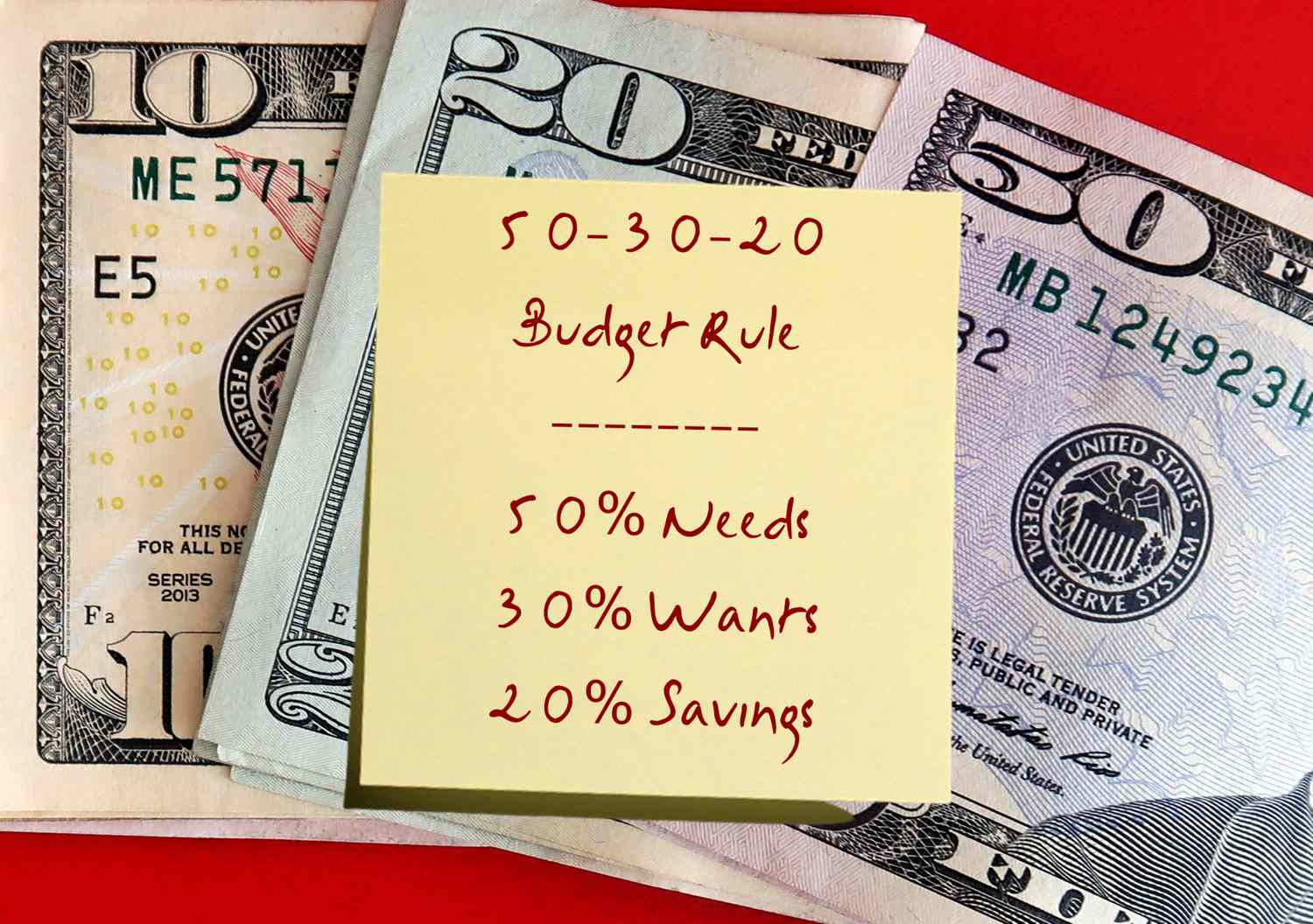
The method divides after-tax income into:
- 50% for needs
- 30% for wants
- 20% for savings and debt reduction
Simple structure. Easy to remember.
That simplicity increases consistency.
What Counts as “Needs”?
Needs usually include:
- Rent or mortgage
- Utilities
- Groceries
- Insurance
- Transportation
- Minimum debt payments
These are essential living expenses.
Wants Are Not the Enemy
Entertainment, dining out, subscriptions, shopping, and hobbies generally fall into the “wants” category.
The goal is balance, not extreme restriction.
Overly aggressive budgeting often becomes unsustainable.
Why the 20% Category Matters Most
Savings and debt reduction create long-term financial stability.
This section may include:
- Emergency funds
- Retirement contributions
- Investing
- Extra loan payments
Small monthly consistency matters enormously here.
The Rule Is Flexible, Not Perfect
Different cities and income levels create different realities.
Someone living in New York or San Francisco may spend far more than 50% on necessities.
That does not mean the system failed.
The framework should adapt to personal circumstances.
Digital Budgeting Tools Simplified Everything
Modern finance apps now automate:
- Expense tracking
- Spending categories
- Bill reminders
- Savings goals
- Financial reporting
Technology makes consistent budgeting easier than before.
Final Takeaway
Personal finance does not always require complicated spreadsheets or extreme financial restrictions.
Often, the most effective systems are the simplest ones people can follow consistently over long periods. Budgeting frameworks like the 50/30/20 rule remain powerful because they help create awareness, balance, and financial discipline without overwhelming users.